Last updated:
Best Areas To Stay in Puerto Rico Where To Stay
Puerto Rico offers diverse neighborhoods for every type of traveler. You'll find vibrant cities, quiet beach towns, and mountain villages throughout the island. The main airport connects to most areas within 30 to 90 minutes. Choosing where to stay in Puerto Rico depends on your interests and budget.
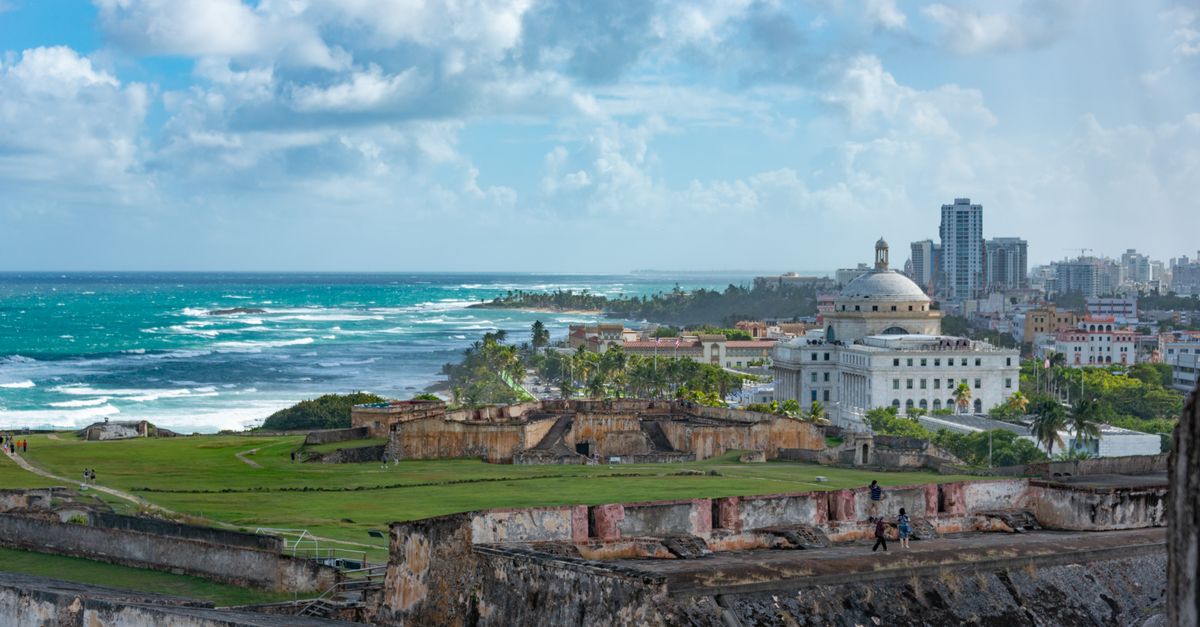
San Juan is the capital and largest city. It features colonial architecture, museums, food-restaurants, and nightlife. Old San Juan offers colorful streets and historic buildings from the 1600s. Condado and Ocean Park are trendy neighborhoods with modern hotels and beach access.
Culebra Island attracts water enthusiasts and nature lovers. Ferry service connects Culebra to the main island. Flamenco Beach features white sand and calm waters. The island has a small, relaxed community vibe.
Vieques Island offers peaceful beaches and bioluminescent bay tours. Ferry service runs daily from Fajardo. The island stays quieter than San Juan. Accommodations range from basic guesthouses to eco resorts.
Rincón sits on the west coast and attracts surfers and beach lovers. The town has a laid back atmosphere. Local restaurants serve fresh seafood. Sunsets here are stunning and free to enjoy.
Dorado offers luxury resort experiences. The beaches here stay less crowded than San Juan beaches. Golf courses dot the area. High end dining and spa services are abundant.
Best Beach Areas in Puerto Rico
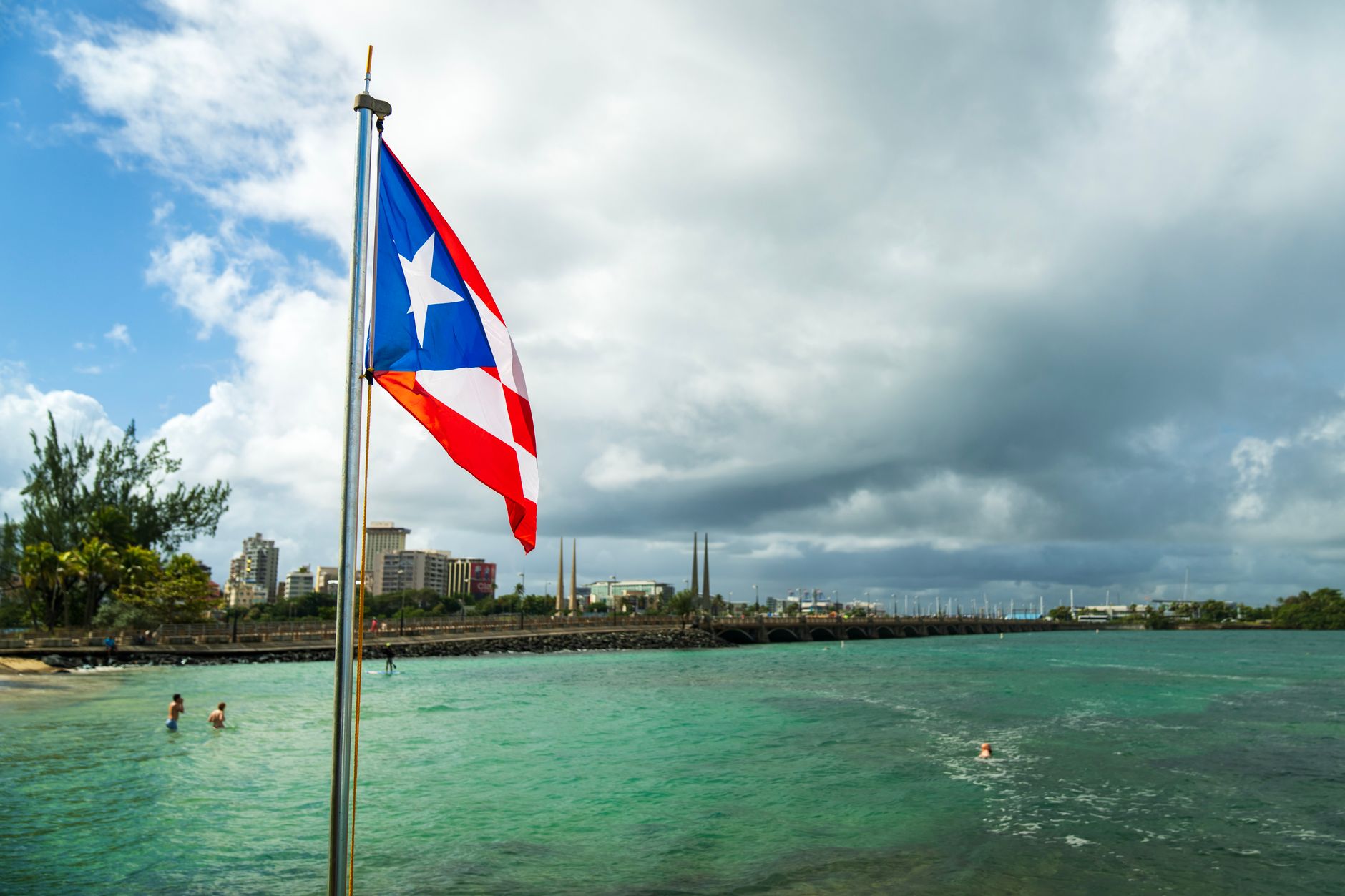
Puerto Rico has 270 miles of coastline with distinct beach communities. Each area offers different activities and atmospheres. You'll find world class diving, snorkeling, and water sports throughout the island.
Flamenco Beach in Culebra ranks as one of the best beaches in the Caribbean. Crystal waters and soft sand attract families and swimmers. The beach has minimal waves, making it safe for young children. Public facilities include bathrooms and parking. No resort dominates this beach, keeping it peaceful.
Condado Beach in San Juan offers city convenience with water activities. Lifeguards work daily during peak hours. The beach sits steps from restaurants, shops, and hotels. Strong waves make it popular with surfers. The area stays busy, especially on weekends.
Vieques Bioluminescent Bay glows at night with dinoflagellates. Tours depart from the island's main town. The experience happens year round but peaks in summer. Book tours through local operators in advance. The phenomenon creates a magical nighttime experience.
Rincón's Beaches appeal to surfers and sunset chasers. Domes Beach and Tres Palmas offer excellent waves. The west coast position makes every sunset dramatic. Local surf shops rent boards and offer lessons. The beaches stay warmer in winter.
Luquillo Beach sits on the northeast coast near El Yunque rainforest. Calm waters and white sand make it family friendly. Local food kiosks sell traditional Puerto Rican snacks. The beach connects easily to hiking and nature activities. Parking fills quickly on weekends and holidays.
PRO TIP: Visit beaches early in the morning to secure parking and avoid crowds. Bring reef safe sunscreen to protect marine life while snorkeling or diving. Pack water shoes for rocky areas and sea urchins near some beaches.
Town Center Vs Beach: Which Is Better for Puerto Rico Where To Stay
Deciding between town centers and beach areas depends on your vacation goals. Town centers offer culture, food, and nightlife. Beaches provide relaxation, water activities, and natural beauty. Many travelers split time between both locations.
Choose a Town Center if you want:
- Access to museums, galleries, and historic sites
- Diverse restaurant and nightlife options
- Shopping and local markets
- Public transportation and walkability
- Lower accommodation costs in some areas
Old San Juan offers history and charm within walking distance. The narrow cobblestone streets feel European. Museums cover Puerto Rican art, history, and culture. Restaurants range from casual to fine dining. The area buzzes with energy day and night. Parking challenges exist, so use public transit or walk.
Choose a Beach Area if you want:
- Daily swimming and water sports
- Relaxation and slower pace
- Scuba diving and snorkeling opportunities
- Sunset views and tropical scenery
- Quieter evenings and nature sounds
Beach towns require a car for most activities outside your immediate area. Restaurants cluster near accommodations rather than offering variety. However, peaceful mornings on the sand reward early risers. Sunset watching becomes your evening entertainment.
The Hybrid Approach: Stay in a beach town 3 to 4 days, then move to San Juan for 2 to 3 days. Rent a car for the transition. This balances relaxation with cultural exploration. Many travelers find this strategy most satisfying for a week long trip.
Where To Stay in Puerto Rico on a Budget

Puerto Rico offers affordable accommodations without sacrificing comfort or location. Budget options range from guesthouses to vacation rentals. You'll find good value in smaller towns outside San Juan.
Guesthouses and Hostels provide the cheapest beds. Most include basic breakfast and common areas. San Juan has several hostels in Old San Juan and Ocean Park. Staff members share travel tips and local knowledge freely. Dorm rooms encourage meeting other travelers. Private rooms cost slightly more but stay affordable.
Vieques and Culebra Islands offer budget friendly guesthouses. Prices run lower than San Juan equivalents. Ferry costs add to your trip but offset savings on accommodation. These islands attract budget conscious travelers seeking peace. Many guesthouses serve home cooked meals.
Rincón has affordable beachfront guesthouses and small hotels. Local owners run most properties personally. The town's laid back vibe keeps prices reasonable. Budget travelers congregate here, creating a social scene. Surfing lessons cost less than in tourist heavy areas.
Money Saving Tips: Travel during green season (May to November) for lower rates. Book accommodations directly with owners rather than through platforms. Cook some meals in guesthouses with kitchens. Use public transportation or share rental cars with other travelers. Eat where locals eat rather than tourist restaurants.
Vacation Rentals work well for groups or longer stays. Split costs among friends or family. Many include kitchens, saving money on dining. Search platforms like Airbnb and VRBO for Puerto Rico properties. Read reviews carefully about location and amenities. Budget rentals start around affordable rates for basic properties.
PRO TIP: Visit free attractions like Old San Juan's streets, El Yunque's waterfall trails (small entrance fee), and all public beaches. Use ATMs in towns to avoid tourist restaurant markups. Travel Tuesday through Thursday for better hotel rates than weekends.
Luxury Areas in Puerto Rico
Puerto Rico's luxury accommodations rival Caribbean resorts worldwide. High end properties offer world class service, fine dining, and exclusive experiences. Dorado, Rio Grande, and parts of San Juan lead luxury offerings.
Dorado features exclusive resorts and golf courses. The area sits on the northern coast about 30 minutes from San Juan. Pristine beaches and manicured grounds define the landscape. Resorts offer spa services, multiple restaurants, and water activities. The community remains private and peaceful.
Rio Grande hosts luxury jungle resorts near El Yunque National Rainforest. Properties combine nature with high end amenities. Guests enjoy rainforest tours, river activities, and spa treatments. Dining emphasizes local ingredients and innovative cuisine. The setting feels exclusive and natural simultaneously.
Condado District in San Juan offers luxury hotels along the beach. The neighborhood combines urban convenience with upscale shopping. Fine dining restaurants line the streets. Nightclubs and bars cater to sophisticated travelers. Beach access remains excellent despite urban surroundings. Five star properties dominate this area.
Private Island Experiences provide ultimate luxury. Culebra Island resorts offer exclusive beach access and water activities. Vieques has high end eco lodges with limited room counts. These properties emphasize intimacy and personalized service. Bioluminescent bay tours can be arranged privately. Scuba diving from your doorstep appeals to water enthusiasts.
Luxury Amenities to Expect: Michelin trained chefs, spa facilities with oceanside treatments, concierge services, private beach access, water sport instruction, golf courses, and personalized tour arrangements. Many properties offer all inclusive packages. Currency is US dollars, simplifying costs for American travelers.
Where To Stay in Puerto Rico With Kids
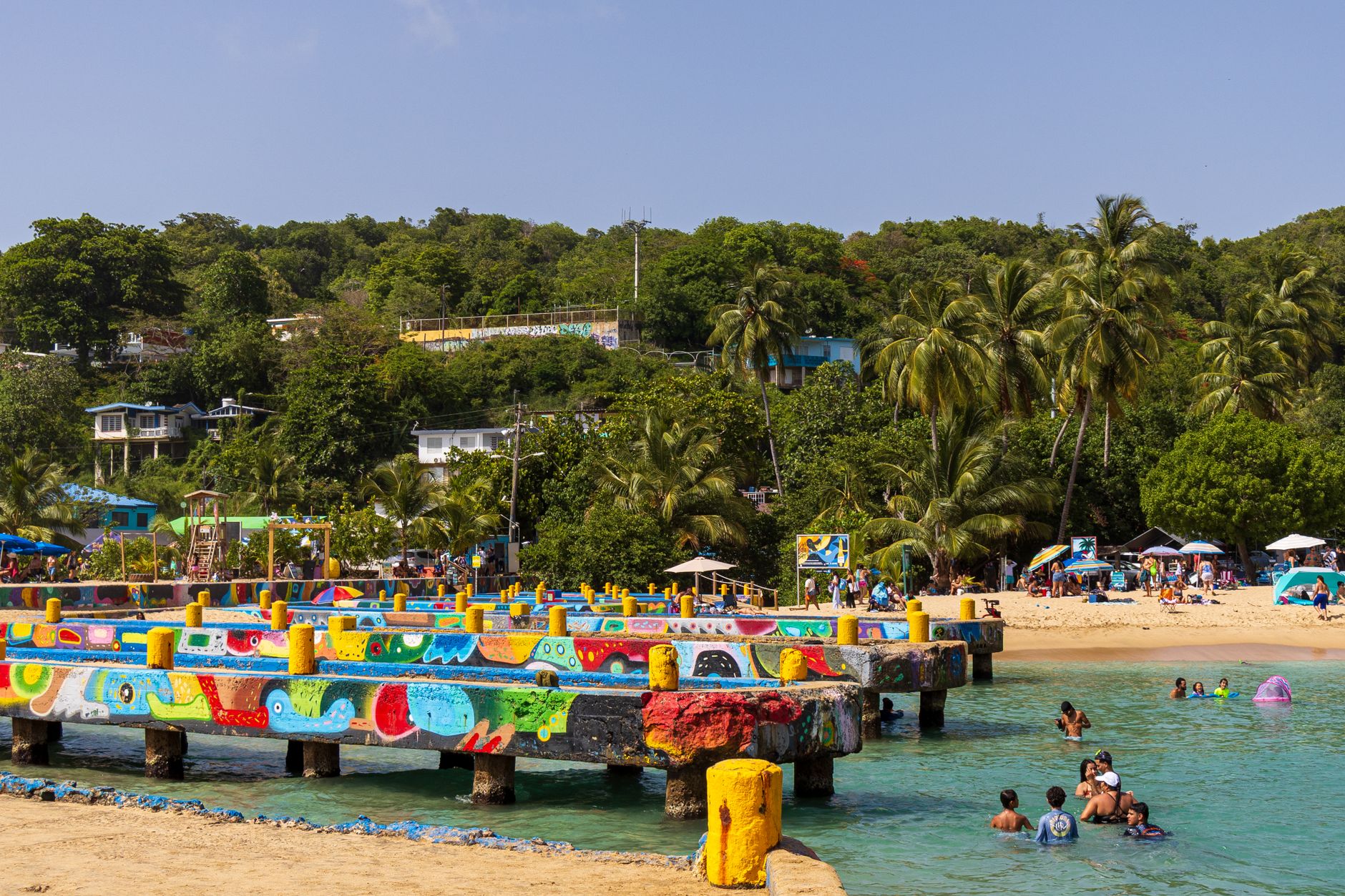
Family friendly Puerto Rico offers beaches, nature, and cultural activities for all ages. Choose areas with calm waters, easy access to attractions, and kid focused amenities.
Luquillo Beach Area ranks as Puerto Rico's best family beach. Calm waters and lifeguards keep kids safe. The beach has food kiosks, bathrooms, and changing facilities. El Yunque National Rainforest sits nearby for waterfall hikes. Children enjoy the easy trails and natural pools. The area offers family guesthouses and hotels.
San Juan with Kids combines beach time with attractions. Old San Juan has cobblestone streets safe for walking. Kids enjoy the colorful buildings and historic atmosphere. Camuy Caves feature stalactites and underground rivers about 90 minutes away. The caves appeal to children aged 5 and up. Restaurants in Old San Juan accommodate families well.
Culebra Island for Families offers shallow, calm waters perfect for swimming lessons. Flamenco Beach has dedicated family areas. Snorkeling gear rents at affordable rates. Kids can see tropical fish without diving. Ferry rides from Fajardo become adventures themselves. The island stays less crowded than San Juan beaches.
Vieques Island Appeals to Adventurous Families with older children. Bioluminescent bay tours enchant kids aged 8 and up. The ferry ride becomes part of the adventure. Beaches allow safe swimming. Guesthouses cater to families with kitchens for flexibility. The relaxed pace suits families wanting to slow down.
Kid Friendly Activities and Amenities: Choose hotels with pools if your kids get bored with beaches. Look for properties near attractions rather than remote locations. Guesthouses with kitchens save money and time on meals. Rent cars for flexibility in scheduling. Pack bug spray, sunscreen, and reef safe products. Many beaches have shallow areas perfect for toddlers.
Best Areas Summary: Luquillo and Culebra lead for young children. San Juan works for families with older kids wanting cultural activities. Vieques suits adventurous families. Rincón appeals to surf families with older kids.
PRO TIP: Book accommodations with bathtubs for young kids who need baths instead of showers. Bring your own snorkel gear to save rental costs over multiple days. Stay near restaurants rather than isolated locations when traveling with picky eaters. Request ground floor rooms to avoid stair safety concerns with toddlers.
Frequently Asked Questions
What Is the Best Time of Year To Visit Puerto Rico?
December through May offers the best weather with lower humidity and temperatures around 27.5°C. These months have less rainfall and fewer hurricanes. January and February see peak tourism, so book accommodations early. May offers lower prices before summer season. Summer (June through November) brings higher heat, humidity, and hurricane potential, but prices drop significantly and beaches stay less crowded during weekdays.
Do I Need a Passport To Visit Puerto Rico?
US citizens need only a valid ID or driver's license since Puerto Rico is a US territory. International visitors follow standard US entry requirements including ESTA for eligible countries or tourist visas depending on nationality. Check US State Department requirements specific to your country before booking. All visitors clear US customs upon arrival at Luis Munoz Marin International Airport. Children need valid identification regardless of age.
Which Area Should I Stay in for My First Time Visiting Puerto Rico?
San Juan offers the best first time experience combining beaches, culture, food, and nightlife. Old San Juan provides historic charm and walkable attractions. Condado Beach offers modern convenience with excellent dining and shopping. If you prefer beaches, Luquillo provides family friendly calm waters and proximity to El Yunque rainforest. Consider splitting time between San Juan (2 to 3 nights) and a beach area (3 to 4 nights) for balanced variety and relaxation.
Is It Safe To Rent a Car and Drive in Puerto Rico?
Yes, renting a car is safe and recommended for flexibility exploring the island. Road conditions are generally good on main routes. Drive defensively as some local drivers speed and ignore traffic laws. Park in secured lots rather than streets. Keep valuables out of sight in your vehicle. Navigation apps work well for directions. International driving permits aren't required for US citizens. Many rental companies operate at Luis Munoz Marin Airport with competitive rates.
What Should I Pack for a Puerto Rico Trip?
Pack lightweight, breathable clothing for hot weather. Bring reef safe sunscreen, insect repellent, and a light rain jacket for tropical showers. Water shoes protect feet from rocks and sea urchins. Snorkeling gear is optional but saves rental costs. A hat and sunglasses are essential. Casual clothes work for most restaurants except upscale dining. Bring copies of important documents and travel insurance information. Cash helps at local businesses and tips. Consider a reusable water bottle for staying hydrated throughout the island.