
Last updated:
Best Dive Sites in Puerto Rico
Puerto Rico offers some of the Caribbean's finest scuba diving destinations. The island sits in the Greater Antilles and attracts divers from around the world. Experienced divers find challenging reefs and deep dives here. Beginners discover shallow, protected sites perfect for learning. The warm waters and diverse marine life make Puerto Rico scuba diving unforgettable.
The Windward Passage
The Windward Passage lies on Puerto Rico's eastern coast near Vieques. Divers encounter colorful coral formations and schools of tropical fish. The site features depths between 40 and 80 feet. Experienced divers appreciate the strong currents and challenging conditions. The passage connects Puerto Rico to Vieques Island, creating unique underwater geography.
Desecheo Island
Desecheo Island sits off Puerto Rico's west coast near Rincón. This protected marine reserve offers pristine diving conditions. Walls drop dramatically into deep blue water. Large pelagic fish patrol these waters regularly. The site requires moderate to advanced diving skills. Operators offer specialized trips to this remote location throughout the year.
La Parguera Marine Reserve
La Parguera covers a vast area on Puerto Rico's southern coast. This marine reserve protects multiple dive sites suitable for all skill levels. Shallow reefs in 20 to 40 feet of water work well for beginners. Deeper sites challenge experienced divers. The reserve includes mangrove forests, seagrass beds, and coral formations. Divers spot sea turtles, rays, and countless fish species here regularly.
Underwater Park at San Juan
The San Juan Underwater Park offers convenient diving near Puerto Rico's capital. Local operators run regular trips to multiple sites. Divers explore sunken ships, coral reefs, and rocky formations. Depths range from 30 to 90 feet depending on location. The park protects various marine habitats and historical wrecks.
PRO TIP: Book your dives in advance during peak season from December to April. Popular sites fill up quickly, and operators need time to arrange boats and equipment.
Scuba Diving for Beginners in Puerto Rico

Beginning your scuba journey in Puerto Rico is smart. The warm water, calm conditions, and excellent instruction make this ideal for novices. Many sites offer protected shallow areas perfect for learning. Professional dive schools provide comprehensive training and certification courses.
Open Water Certification Courses
The Professional Association of Diving Instructors (PADI) Open Water course takes three to four days. Instructors teach you basic skills in the classroom and confined water. Then you complete four open water dives at real sites. The course covers equipment use, breathing underwater, and emergency procedures. You earn a certification card valid worldwide. Most operators in Puerto Rico offer this course year-round.
Best Beginner Sites
Cerro Gordo reef near Rincon works perfectly for new divers. The site reaches only 25 feet at deepest points. Colorful fish and small coral formations surround the area. Another beginner favorite is Vega Alta near San Juan. This shallow reef has calm conditions and abundant marine life. Luis Peña Channel near Culebra Island offers protected waters ideal for learning.
What To Expect on Your First Dive
Your first dive will be guided by certified instructors. You'll spend 20 to 30 minutes underwater on your first time. The instructor stays right beside you throughout the dive. You'll practice basic skills like equalizing pressure and clearing your mask. Most beginners feel comfortable and excited on their first dive. The experience opens a new world of underwater exploration.
Bring a swimsuit, towel, and sun protection. Operators provide wetsuits and all diving equipment. You'll need to sign a liability waiver before diving. Most operators offer refresher dives if you've been certified before. Take your certification card if you already have one from another place.
PRO TIP: Eat a light breakfast before diving but wait at least one hour after eating before entering the water. Stay hydrated throughout the day, but limit caffeine which can cause dehydration.
Snorkeling in Puerto Rico
Snorkeling offers an accessible way to explore Puerto Rico's underwater world. You don't need certification or special training to snorkel. Mask, snorkel, and fins are all you need. Many beginners start with snorkeling before pursuing scuba certification. Puerto Rico's shallow reefs make snorkeling particularly rewarding here.
Top Snorkeling Locations
Flamenco Beach on Culebra Island features calm water and shallow reefs. You can snorkel right from the beach in water just 5 to 15 feet deep. The beach has amenities like food vendors and restrooms. Tamarindo Beach near Vieques offers excellent snorkeling with calm conditions. The protected bay has colorful coral and abundant fish species.
Seven Seas Beach in Fajardo provides easy snorkeling access from shore. The beach has lifeguards, parking, and food options. Cormorant Reef near La Parguera offers outstanding snorkeling. The shallow reef sits in protected waters ideal for families. Local operators run snorkeling tours to this site daily.
Snorkeling Tours and Safety
Many operators offer guided snorkeling tours from various beaches. Tours typically last two to three hours. Guides point out marine life and provide historical information about the reefs. Tours include boat transportation to snorkeling sites. Most tours accommodate all ages and swimming abilities. Bring reef-safe sunscreen to protect coral ecosystems.
Wear water shoes to protect your feet on rocky areas. Start in shallow water if you're new to snorkeling. Buddy system rules apply even while snorkeling. Never touch corals or disturb marine animals. Respect the marine environment and take only photographs.
Dive Schools and Operators
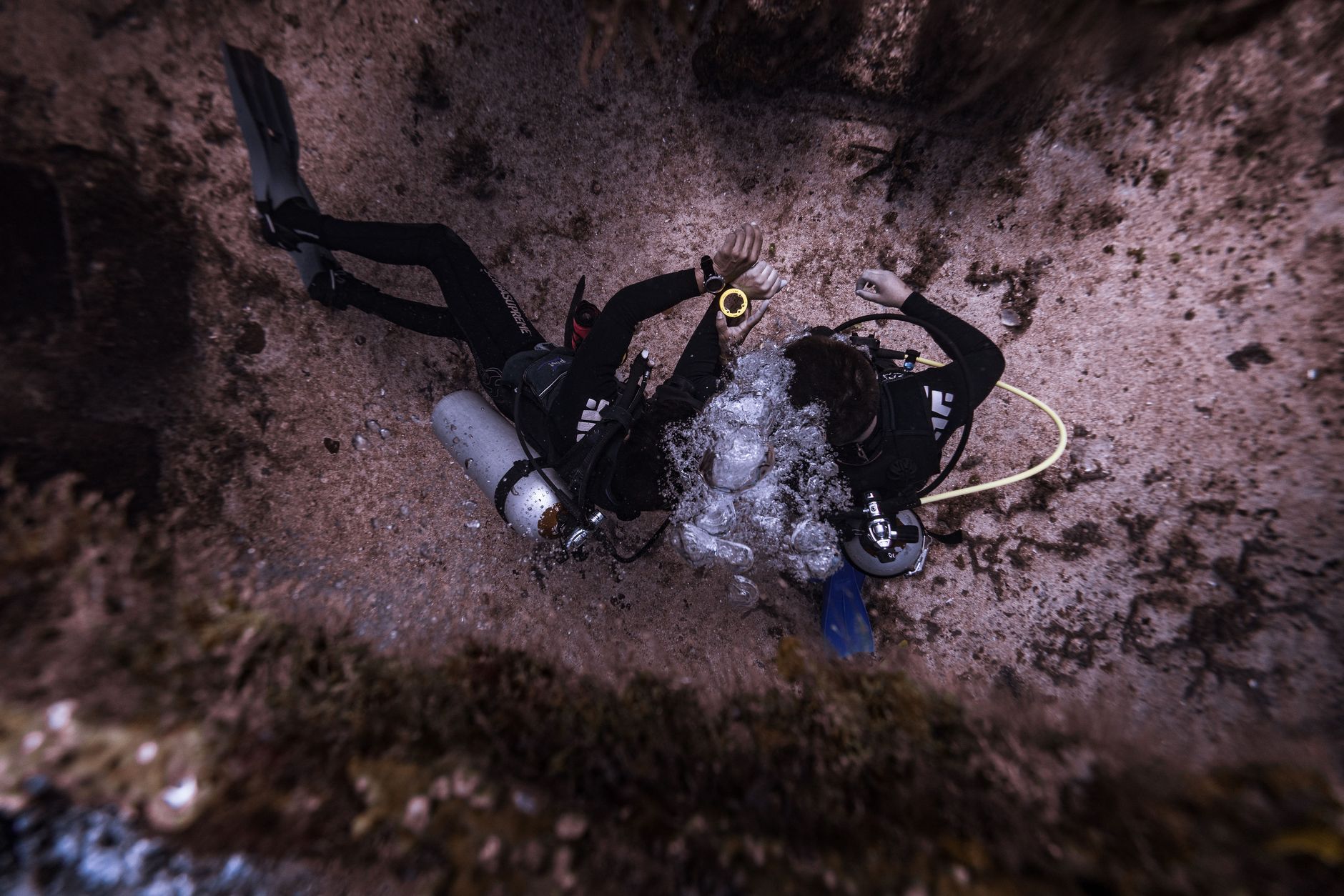
Professional dive operators throughout Puerto Rico serve beginners and experienced divers. These schools offer training courses, guided dives, and equipment rental. Most operators employ certified instructors with years of experience. They maintain modern boats and safety equipment.
Major Dive Operators
Carabela Dive Center operates from San Juan with multiple boat locations. They offer open water certification, advanced training, and guided dives. The center provides equipment rental and accommodations assistance. Culebra Divers operates on Culebra Island near the best snorkeling and diving sites. The school specializes in small group dives and personalized instruction.
East Island Excursions runs dives from Fajardo on the east coast. They offer certification courses and trips to La Parguera Marine Reserve. The operator specializes in snorkeling tours and family-friendly dives. Rincon Diving operates near Desecheo Island and west coast sites. They cater to experienced divers seeking challenging deep dives.
What Operators Provide
Full diving equipment rental is standard at all operators. This includes wetsuit, tank, regulator, buoyancy vest, and fins. Instructors provide classroom training and confined water skills practice. Boat transportation to dive sites includes crew assistance and safety briefings. Most operators offer multiple dives per day at different locations.
Certification documents come from recognized international agencies. Your certification card allows you to dive anywhere worldwide. Most operators accept walk-ins during low season but recommend advance booking. Payment methods include cash and credit cards. Cancellation policies vary by operator, so confirm before booking.
Choosing the Right Operator
Check online reviews and ask about instructor certifications. Confirm the operator carries current liability insurance. Ask about maximum group sizes on dives. Smaller groups provide better instruction and experience. Verify boat condition and safety equipment before committing. Experienced operators maintain detailed dive logs and safety records.
PRO TIP: Ask operators about their refund policy before booking. Some offer full refunds if weather cancels dives, while others only offer rescheduling options.
What You Will See Underwater
Puerto Rico's underwater ecosystems support incredible biodiversity. Vibrant coral reefs create homes for thousands of fish species. Sea turtles, rays, and eels are common sightings. Larger pelagic fish patrol deeper waters. The variety surprises even experienced Caribbean divers.
Coral Formations
Elkhorn coral and brain coral dominate shallow reefs. These massive formations took decades to grow. Staghorn coral branches create pathways through reef sections. Sea fans sway gently in the current. Purple sea fans stand out against the blue water. Fire coral stings bare skin, so keep distance and wear protection.
Fish and Marine Animals
Colorful parrotfish munch on coral constantly. Angelfish and butterflyfish dart between coral branches. Groupers hide in caves and crevices. Large tarpon sometimes cruise the deeper reefs. Eagle rays glide gracefully across sandy areas. Green and hawksbill sea turtles visit seagrass beds regularly.
Octopuses change color and hide expertly in reef crevices. Moray eels peek from holes but rarely attack. Spiny lobsters emerge at night. Schooling fish create moving walls of silver. Barracudas patrol hunting grounds but avoid humans. Spotted eagle rays are graceful and uncommon. Nurse sharks rest on sandy bottoms unconcerned by divers.
Unique Underwater Features
Bioluminescent organisms light up at night in shallow bays. La Parguera contains a famous bio bay. Mangrove roots create intricate networks in shallow water. Seagrass meadows provide food and shelter for marine life. Sunken ships offer exploration and history. Rock formations create interesting geography for diving.
PRO TIP: Bring an underwater camera or GoPro to capture marine life. Go slow and be patient. Wildlife photography rewards quiet, non-threatening divers with the best shots.
Best Time To Dive in Puerto Rico

Puerto Rico offers excellent diving conditions most of the year. However, specific seasons provide better conditions than others. The dry season from December through May brings the most favorable weather. Average water temperature stays at 27.5°C year-round, providing comfortable diving.
Dry Season (December To May)
This period represents the best time for Puerto Rico scuba diving. December through May brings calm seas and excellent visibility. Water visibility exceeds 80 feet on most days. Fewer rain showers mean clearer skies and better weather. Hotels and dive operators reach peak capacity during this season. Book your dive trips and accommodations well in advance.
Winter months attract experienced divers seeking optimal conditions. The trade winds blow steadily, keeping seas relatively calm. Pelagic fish species arrive during these months. Whale sharks occasionally appear in deep water during winter. The cooler water temperatures feel refreshing while diving.
Wet Season (June To November)
Summer and fall bring warm water and occasional afternoon showers. Visibility decreases due to rain runoff and storms. Hurricane season peaks in September and October. Some operators reduce trips during peak hurricane months. Prices drop significantly during this season. Fewer tourists mean less crowded dive sites.
July and August offer acceptable diving conditions. Rain passes quickly, and afternoons usually clear. The water stays warm and comfortable. Specialized operators still run dives during this period. Book directly with operators rather than through hotels for best availability.
Year-Round Considerations
Water temperature remains constant around 27.5°C annually. A thin wetsuit or rash guard provides adequate protection. Bring sun protection regardless of season. Reef fish are active year-round. Seasonal variations affect which species you encounter. Consult operators about current conditions before booking.
Frequently Asked Questions
Do I Need Certification To Scuba Dive in Puerto Rico?
Yes, all dive sites require current scuba certification. If you're not certified, complete an open water course first. Most operators offer certification courses on Culebra, Vieques, and the main island. Courses take three to four days. After certification, you can dive independently with a buddy or on guided dives.
What Is the Water Temperature in Puerto Rico Year-Round?
Puerto Rico maintains average water temperature of 27.5°C (81.5°F) throughout the year. The water feels warm and comfortable for most divers. A thin wetsuit or rash guard provides adequate protection from sun and minor scrapes. Winter months may dip slightly cooler, but warming trends typically restore warmth quickly. The consistent temperature makes year-round diving possible.
How Much Does Scuba Diving Cost in Puerto Rico?
Certification courses range widely depending on operator and location. Single guided dives typically cost between 70 and 150 dollars. Equipment rental adds modest fees. Snorkeling tours cost less than scuba dives. Package deals offer discounts for multiple dives. Ask operators about current pricing during your visit planning stage.
Is Snorkeling Available for Non-Divers in Puerto Rico?
Absolutely. Snorkeling requires no training or certification. Multiple beaches offer excellent snorkeling directly from shore. Operator tours visit more remote sites via boat. Tamarindo Beach, Flamenco Beach, and Seven Seas Beach feature outstanding snorkeling. Rental shops on beaches provide masks, snorkels, and fins affordably. Families with children benefit greatly from snorkeling accessibility.
What Marine Life Will I See While Diving in Puerto Rico?
You'll encounter colorful fish, coral formations, sea turtles, rays, and eels regularly. Larger fish like groupers and tarpon appear occasionally. Octopuses hide skillfully in reef crevices. Parrotfish constantly munch coral creating sand. Spiny lobsters emerge at night. Fish schools create impressive moving formations. Eagle rays and sharks patrol deeper waters. Visibility usually exceeds 60 feet allowing observation of abundant marine life clearly.