allisles.com
Puerto Rico
allisles.com
Puerto Rico

Puerto Rico: Complete Caribbean Travel Guide
Visa Free
Last updated:
Quick Facts
- Visa Required: No (visa free for most nationalities; US entry rules apply)
- Currency: US Dollar (USD)
- Language: Spanish, English
- Best Months: December through May
- Average Temperature: 27.5°C (81.5°F)
- Location: Greater Antilles, United States
- Nearest Airport: Luis Munoz Marin International Airport (SJU)
About Puerto Rico
Puerto Rico sits in the Greater Antilles as a United States territory. The island covers 9,104 square kilometers with a population of 3.2 million people. Located at coordinates 18.2208°N and 66.5901°W, Puerto Rico offers Caribbean culture with American convenience. The Puerto Rico overview reveals a unique blend of Spanish heritage and modern infrastructure.
Spanish and English are both spoken here, making communication straightforward for most travelers. The US dollar is the official currency, eliminating exchange rate concerns. Puerto Rico operates in the America/Puerto_Rico timezone, which is Atlantic Standard Time year-round.
The island has a rich history spanning centuries. Christopher Columbus arrived in 1493. The Spanish ruled for 400 years, leaving lasting cultural marks. The United States took control in 1898. Today, Puerto Rico balances its heritage with contemporary attractions and amenities.
Luis Munoz Marin International Airport in San Juan serves as the main entry point. Most international flights arrive here. The airport handles millions of passengers annually. Getting to the island is simple and straightforward for travelers worldwide.
Why Visit Puerto Rico
Best forfamiliescouplessolo travelersbudget travelersluxury travelers
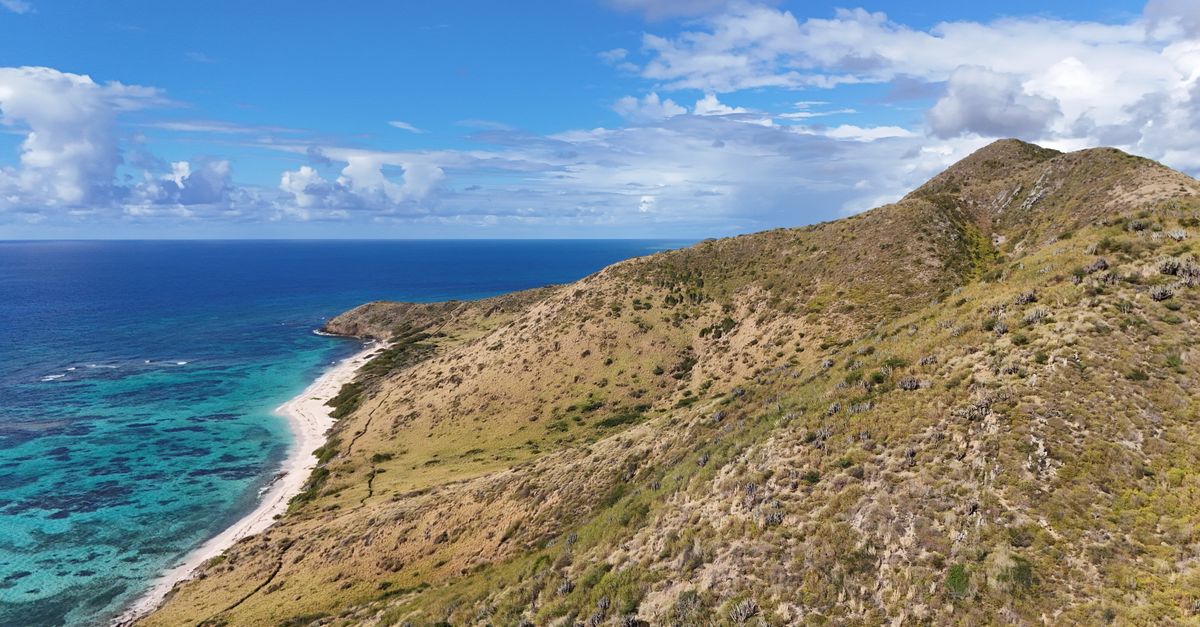
Puerto Rico delivers diverse experiences for every type of traveler. The island features pristine beaches, historic cities, and natural wonders. You can explore El Yunque National Forest, hike to waterfalls, and enjoy tropical scenery. The bioluminescent bays glow at night with incredible natural light shows.
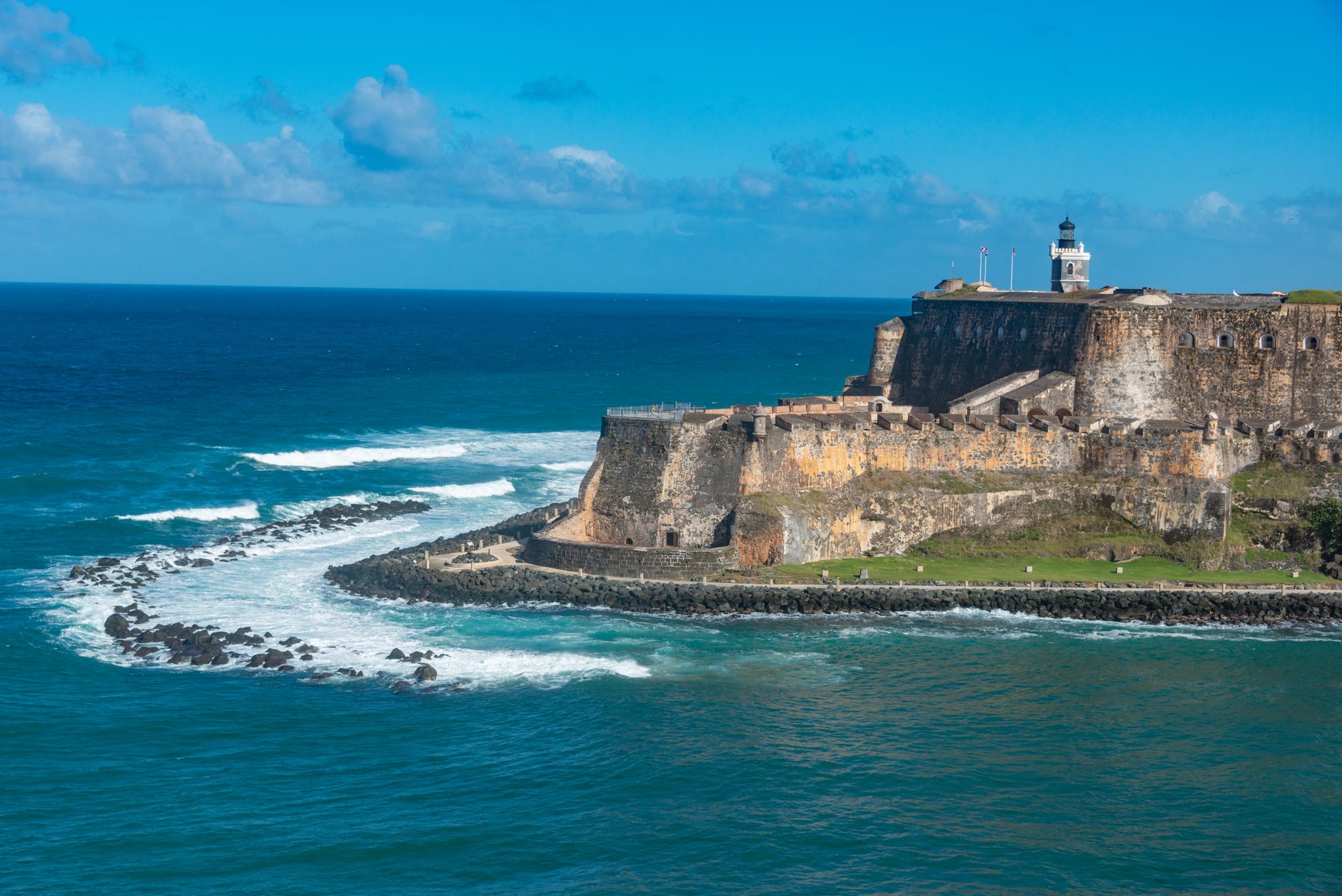
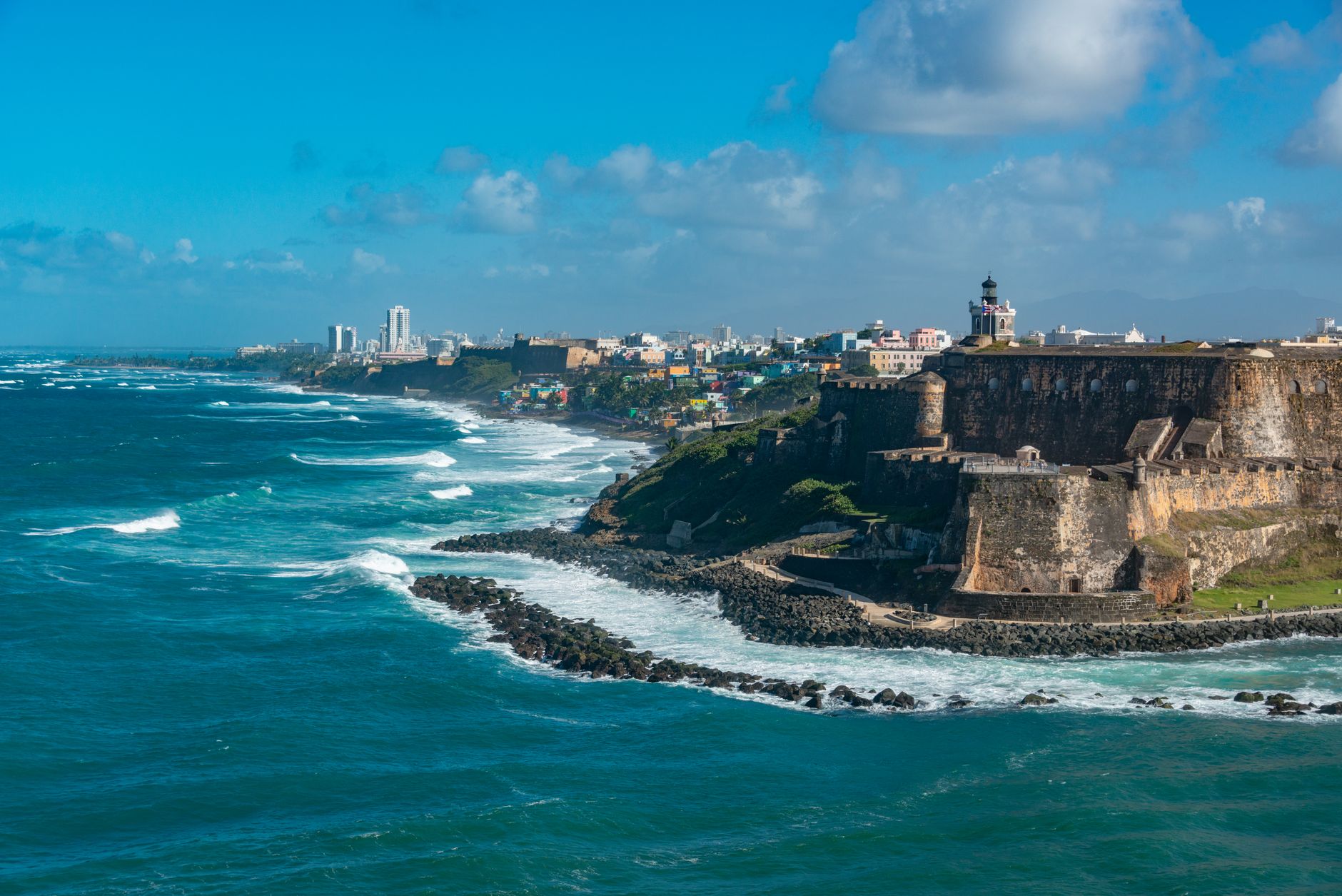
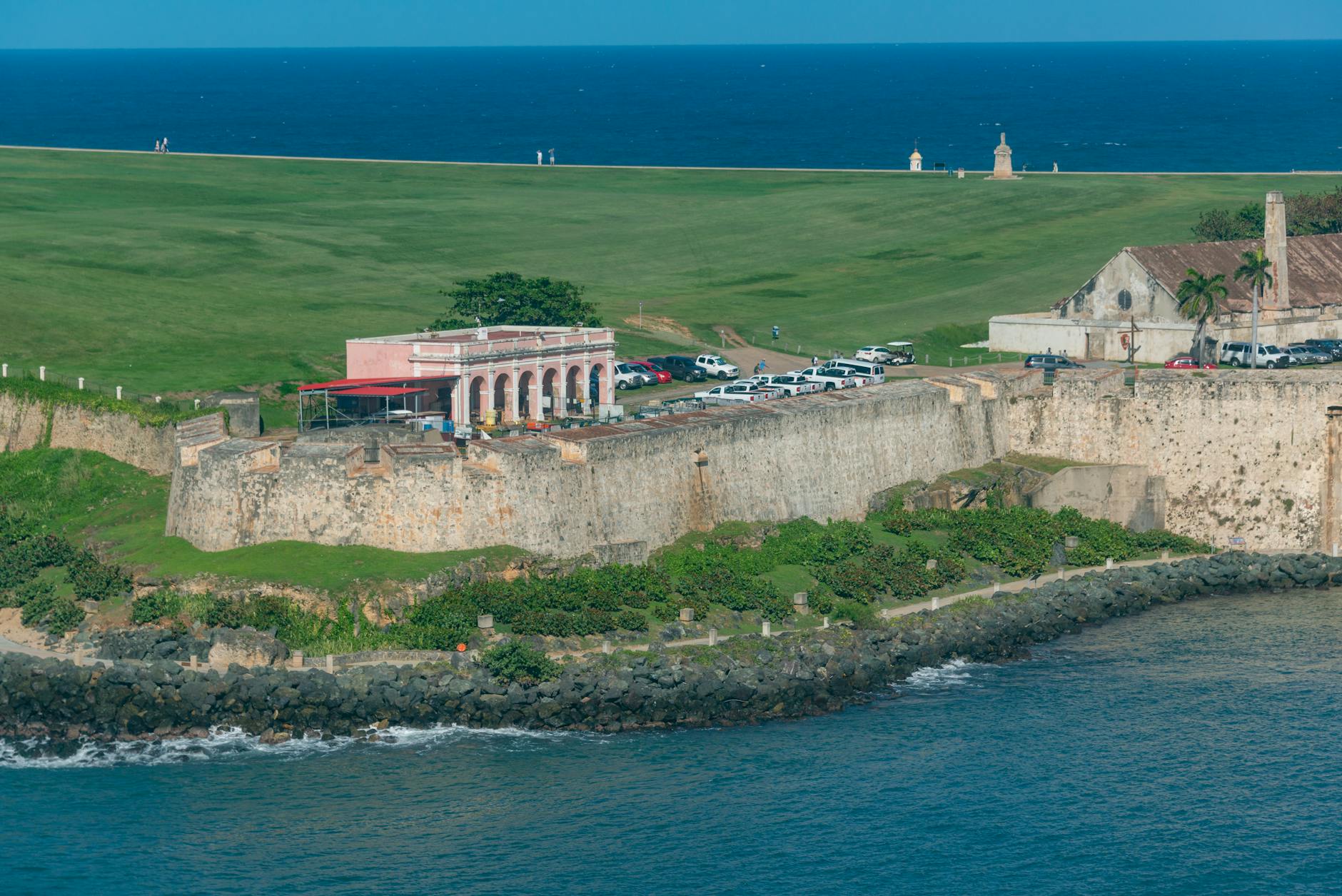
Old San Juan presents colorful streets and colonial architecture from the 16th century. Walk cobblestone roads and visit historic forts like El Morro and San Cristobal. Art galleries, food-restaurants, and shops line these charming streets. The historic district captures centuries of Caribbean culture and history.
Water activities attract adventure seekers from around the world. Scuba diving opportunities showcase coral reefs and marine life. Snorkeling works great for beginners and families. Surfing spots line the northern coast. Kayaking through mangrove forests reveals hidden ecosystems.
The food scene showcases Caribbean flavors and local specialties. Mofongo, a plantain-based dish, appears on nearly every menu. Fresh seafood features prominently in coastal restaurants. Coffee from Puerto Rican highlands offers rich, smooth flavors. Local cuisine blends Spanish, African, and indigenous Taíno influences.
Puerto Rico offers affordable luxury and budget options. You can eat well for reasonable prices. Accommodations range from hostels to five-star resorts. The island welcomes travelers with different budgets and preferences.
PRO TIP: Skip the high-season crowds by visiting in November or early December. You'll find better prices and smaller crowds before Christmas travel peaks.
Puerto Rico for Families
Best forfamilies with children of all ages
Families discover countless activities that appeal to kids and adults alike. El Yunque National Forest offers easy hiking trails, natural pools, and waterfalls. Children love swimming in crystal-clear water surrounded by jungle. The visitor center provides information and restrooms. Many trails take only 30 minutes to an hour, perfect for young legs.
Camuy Caves provide an underground adventure kids won't forget. You descend into massive caverns with natural skylights. A tram takes you through sections of the cave system. The entrance includes a visitor center with exhibits about geology and cave life. Children ages 3 and up typically enjoy this experience.
Beach time suits every family. Flamenco Beach on Culebra Island offers calm, clear water ideal for young swimmers. Luquillo Beach near San Juan features soft sand and gentle waves. Lifeguards monitor popular beaches during peak hours. Picnic areas and nearby restaurants make full beach days convenient.
The Puerto Rico Zoo in Mayaguez houses tropical animals and birds. Kids see monkeys, iguanas, and birds in natural settings. The zoo includes shaded pathways and rest areas. Educational programs teach children about island wildlife and conservation.
Old San Juan appeals to families who enjoy walking tours and history. Street musicians perform daily. Ice cream shops and casual restaurants line the streets. The colorful architecture provides excellent photo opportunities. Most family visits last two to three hours in the historic district.
PRO TIP: Pack reef-safe sunscreen to protect both your family and marine ecosystems. Regular sunscreen harms coral reefs, while reef-safe options don't.
Puerto Rico for Couples
Best forromantic getawayshoneymoonersanniversary celebrations
Couples find romance throughout Puerto Rico. Sunset dinners on beachfront patios create memorable evenings. Many restaurants in San Juan and coastal towns offer oceanview seating. Fresh seafood and local wine pairings enhance the experience. Reserve tables in advance during peak months.
Bioluminescent bay tours offer unique nighttime adventures. You kayak through water that glows with every paddle stroke. The phenomenon happens year-round but is brightest in summer months. Tours typically last one to two hours. Book with reputable companies for safety and best experiences.
Couples enjoy exploring El Yunque together. Private hiking trails lead to secluded waterfall pools. Pack a picnic lunch and spend an afternoon swimming and relaxing. The lush jungle surrounds you with natural beauty and quiet solitude. This works well for couples seeking adventure and intimacy.
Beach resort experiences appeal to couples seeking relaxation. Many resorts offer couple's spa treatments, private beach cabanas, and fine dining. Puerto Rico has luxury properties ranging from boutique hotels to large resort chains. Some resorts include all-inclusive meal and drink packages.
Culinary experiences create lasting memories for food-loving couples. Take cooking classes featuring Puerto Rican cuisine. Visit local farmers' markets early in the morning. Dine at farm-to-table restaurants serving seasonal menus. These activities let you connect while learning about island culture.
Puerto Rico for Solo Travelers
Best forindependent travelersbackpackersadventure seekers
Solo travelers navigate Puerto Rico easily and safely. The English-speaking population helps with communication. Urban areas like San Juan feel welcoming and walkable. Public transportation works well for getting around. Hostels throughout the island offer affordable beds and social atmospheres where you meet other travelers.
Budget accommodations cluster in San Juan, Rincon, and smaller beach towns. Hostels typically charge under $30 per night for dorm beds. Guesthouses and Airbnb options offer private rooms for reasonable prices. Many solo travelers alternate between social hostel environments and quiet private spaces.
Solo hiking in El Yunque works great for self-reflection and nature immersion. Popular trails have regular foot traffic, reducing safety concerns. Start early to enjoy cooler temperatures and beat crowds. Bring plenty of water and sturdy hiking shoes. The forest environment feels peaceful and meditative.
Solo dining experiences are straightforward and welcomed. Street vendors sell empanadas, alcapurrias, and other snacks for quick, cheap meals. Sit-down restaurants serve portions large enough for one person. Bar seating in restaurants lets you interact with locals and other diners. Many establishments don't mind solo customers occupying tables for extended periods.
Meeting other travelers happens naturally in Puerto Rico. Hostel common areas, beach activities, and tour groups facilitate connections. Organized snorkeling and scuba tours include group experiences. Solo travelers often join group dinners and activities with people they meet.
PRO TIP: Stay in San Juan's Ocean Park neighborhood for the best hostel scene, vibrant nightlife, and easy beach access. Walk to restaurants, bars, and shops without needing transportation.
Best Time To Visit Puerto Rico

The best months for visiting are December through May. This period offers warm weather without excessive rainfall. Temperatures hover around 27.5°C year-round, but humidity feels more comfortable during these months. Trade winds keep the air fresh and pleasant.
December through February brings the most visitors. Winter holiday vacations drive this peak season. Prices rise significantly during these months. Hotels book up quickly. If you visit during peak season, reserve accommodations months in advance.
March through May offers an excellent balance. Crowds decline after spring break. Prices become more reasonable. Weather remains beautiful and sunny. Many travelers prefer this window as the sweet spot for visiting.
June through November represents the rainy season and hurricane season. Afternoon showers are common but typically brief. Hurricane risk exists but remains statistically low. Hotels offer significant discounts. Many travelers visit during these months to save money, accepting weather trade-offs.
August through October sees peak hurricane season. The National Hurricane Center monitors conditions closely. Many travelers avoid these months due to storm risk and higher humidity. However, prices reach their lowest levels. Travel insurance is highly recommended if you visit during these months.
Festivals and events occur throughout the year. San Sebastian Street Festival happens in January. The Ponce Carnival occurs in February. Smaller regional festivals happen seasonally in various towns. Check local event calendars when planning your trip.
Getting To Puerto Rico
Luis Munoz Marin International Airport (SJU) is the primary entry point. Major airlines operate direct flights from most major US cities. Flight times from the mainland US range from three to five hours depending on your origin city.
Getting from the airport to your accommodation requires transportation planning. Rental cars work well if you plan to explore beyond San Juan. Major car rental companies operate at the airport. Roads are generally well-maintained, though driving can feel hectic in urban areas.
Ride-sharing services like Uber and Lyft operate throughout San Juan. Expect airport rides to downtown San Juan to cost between $15 and $25. Shared rides offer lower prices than private options. Pre-book rides to avoid airport line queues.
Public transportation includes buses and públicos (shared minivans). Buses operate regular routes between major towns. Public transportation is extremely affordable but often runs on flexible schedules. Plan extra travel time if using public transit.
Taxis operate at the airport with fixed rates to major destinations. Negotiate prices before entering if you don't use the official taxi stand. Airport taxis cost more than ride-sharing but offer direct transportation without app delays.
Once on the island, exploring different regions requires planning. The island spans 40 miles east to west. Travel times between towns typically take 45 minutes to two hours by car. Staying in a central location like San Juan, then taking day trips, works well for many visitors.
Ferries connect Puerto Rico to nearby islands like Vieques and Culebra. The ferry from San Juan takes about 45 minutes to Vieques. Ferries are affordable and operational multiple times daily. Reserve spots in advance during peak season.
PRO TIP: Book a rental car for your entire stay only if exploring multiple regions. For San Juan-based trips, skip the rental and use ride-sharing and taxis instead.
Frequently Asked Questions
Do I Need a Passport To Visit Puerto Rico?
No, US citizens do not need a passport to visit Puerto Rico since it is a US territory. However, a Real ID-compliant driver's license or other valid US identification is required for air travel. Non-US citizens should check visa requirements for the United States, as standard US entry rules apply. Most nationalities do not require a visa, but ESTA or specific visa requirements depend on your country of citizenship. Always verify your specific requirements with the US State Department or your embassy before traveling.
What Is the Best Beach for Families With Young Children?
Luquillo Beach near San Juan is excellent for families with young children. The beach features calm, shallow water ideal for toddlers and younger kids. Lifeguards monitor the beach during peak hours. Picnic areas, nearby restaurants, and restroom facilities make full beach days convenient. The beach is easily accessible by car or ride-sharing from San Juan. Flamenco Beach on Culebra Island also ranks highly for families, though it requires a ferry ride from the mainland.
Is It Safe To Travel To Puerto Rico As a Solo Female Traveler?
Yes, solo female travelers visit Puerto Rico safely every year. Urban areas like San Juan feel welcoming and walkable, especially in tourist-friendly neighborhoods like Ocean Park. Use standard travel safety practices: avoid displaying expensive items, use registered taxis or ride-sharing services, and stay aware of your surroundings. Hostels provide social environments and connections with other travelers. Many solo female travelers recommend joining organized group activities and tours. Thousands of solo women visit annually and report positive experiences.
What Currency Do I Use, and Can I Use US Credit Cards?
The US dollar (USD) is the official currency of Puerto Rico. You do not need to exchange currency if you are coming from the United States. Credit cards from major US banks (Visa, Mastercard, American Express) are widely accepted in restaurants, hotels, and shops. ATMs are abundant throughout the island for withdrawing cash. Some small vendors and rural areas may only accept cash, so carry some bills when traveling to remote locations. International travelers should notify their banks about travel to Puerto Rico to avoid card fraud blocks.
What Should I Pack for a Trip To Puerto Rico?
Pack lightweight, breathable clothing suitable for warm, humid weather. Bring reef-safe sunscreen with high SPF, sunglasses, and a hat for sun protection. Swimsuits, beach cover-ups, and water shoes are essential. Hiking shoes or sturdy sneakers work well for exploring El Yunque and rocky terrain. A light rain jacket or poncho helps during brief afternoon showers. Insect repellent is useful, especially in jungle areas and evenings. Casual, modest clothing suits restaurants and towns. Puerto Rico has a relaxed dress code, but cover up when visiting religious sites or rural areas.
Related Pages on Puerto Rico
Islands Near Puerto Rico


