Last updated:
Local Food in Puerto Rico You Must Try
Puerto Rico food dining offers some of the Caribbean's most distinctive flavors. The island's cuisine blends Spanish, African, and Caribbean influences into unforgettable dishes. You'll discover recipes that families have perfected across generations.
Mofongo stands as Puerto Rico's national dish. Cooks mash fried plantains with garlic, olive oil, and salt. They form the mash into a dome shape. Restaurants serve mofongo with seafood, chicken, or beef broth. The crispy outside contrasts perfectly with the creamy inside. Every visitor must try authentic mofongo at least once.
Alcapurrias represent classic Puerto Rican street food. These are fritters filled with meat or seafood. The outside coating becomes golden and crispy. Vendors sell alcapurrias at markets throughout the island. You'll find them warm and ready to eat. They make perfect snacks between meals.
Pernil is roasted pork shoulder that takes hours to prepare. The skin crackles when cooked properly. Families serve pernil at celebrations and holidays. The meat falls apart easily. You'll taste garlic, oregano, and other traditional seasonings.
Tostones are twice-fried plantain slices. Cooks fry green plantains, flatten them, then fry again. They become crispy outside with soft centers. Tostones accompany almost every main dish.
Traditional Dishes Worth Tasting
Arroz con gandules combines rice with pigeon peas and pork. The dish requires slow cooking to blend flavors together. Coconut milk makes it creamy and rich. This comfort food appears at family dinners island-wide.
Bacalaitos are salted cod fritters. Anglers dried salt cod for centuries. Modern cooks transformed it into these crispy appetizers. You'll find them at restaurants and food stalls.
Rellenos de papa are potato croquettes filled with meat. They're breaded and deep fried. The filling stays hot and flavorful inside. Children and adults equally enjoy these savory treats.
Lechon asado is whole roasted pig prepared for special occasions. The skin crisps while the meat stays juicy. This dish feeds large groups. You'll see it at restaurants and family celebrations.
Empanadillas are hand-held pastries filled with meat or seafood. The dough wraps around hot fillings. They're perfect for eating while walking around the island.
PRO TIP: Visit local farmers markets early in the morning to see vendors preparing fresh tropical fruits. You'll find mangoes, papayas, plantains, and calamansi limes. Taste samples before buying. Markets close by early afternoon.
Best Restaurants in Puerto Rico
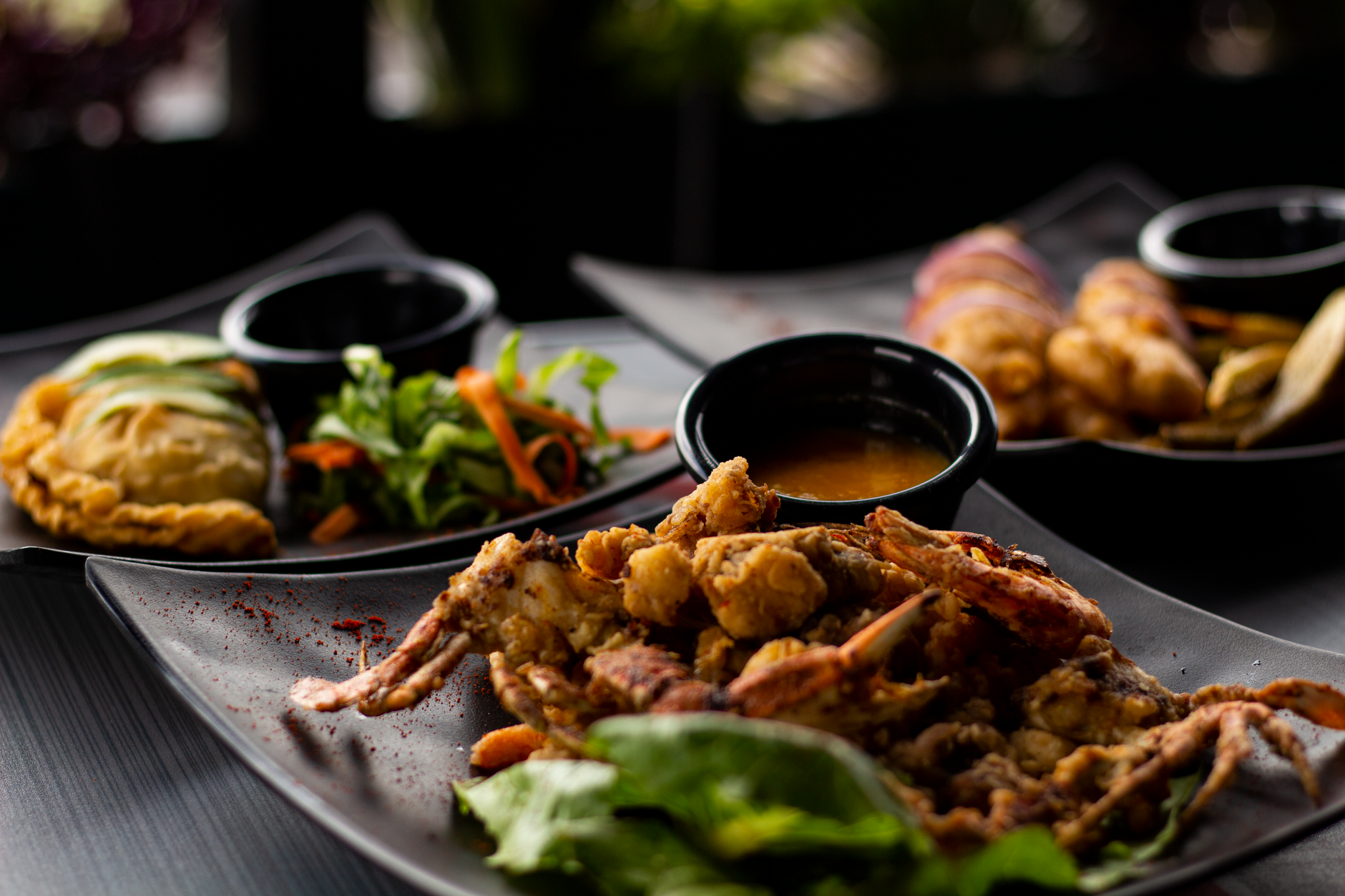
Puerto Rico food dining establishments range from casual to upscale throughout the island. San Juan offers the greatest restaurant concentration. Many restaurants overlook the ocean or Old San Juan's historic streets.
El Jibarito in San Juan serves traditional Puerto Rican food. This small restaurant focuses on classic island recipes. They make mofongo fresh daily. The staff treats visitors like family. Expect casual dining in a humble setting.
Marmaite in San Juan combines traditional and modern flavors. The chef creates unique takes on island ingredients. The atmosphere feels upscale but relaxed. Diners enjoy ocean views while eating.
Solaris in San Juan features Caribbean cuisine with Spanish influences. The restaurant occupies a historic building. Chefs use local seafood and fresh produce. The wine list impresses wine enthusiasts.
Chez Daniel in Luquillo offers beachfront French and Puerto Rican fusion. This casual spot sits right on the sand. You can swim before or after eating. Fresh seafood highlights the menu daily.
El Conquistador Resort restaurants in Fajardo serve multiple dining options. Guests access fine dining and casual eateries. Ocean views accompany most meals. The resort sits near excellent snorkeling spots.
Regional Restaurant Highlights
Ceiba in Old San Juan specializes in seafood. The restaurant occupies a colonial building. Fresh fish arrives daily. The ceviche showcases the chef's skill.
La Cueva del Mar in Rincon sits literally inside a cave. The cave opens to the ocean. Diners watch waves while eating fresh fish. The setting makes every meal memorable.
Copacabana in San Juan delivers authentic Puerto Rican cuisine. The restaurant bustles with locals and tourists. The food prices stay reasonable. Service moves quickly even during busy times.
Visit restaurants during off-peak hours if you dislike waiting. Lunch hours run from 12 to 2 PM. Dinner service starts at 6 PM. Many restaurants close between 3 and 6 PM. Call ahead during weekends for reservations.
PRO TIP: Ask your hotel concierge which restaurants locals prefer over tourist-heavy spots. You'll discover hidden gems serving authentic food at fair prices. Locals know where to find the best cooking.
Fine Dining in Puerto Rico
Fine dining in Puerto Rico food dining scene showcases the island's culinary talent. San Juan's upscale restaurants draw international acclaim. Chefs blend Puerto Rican traditions with global techniques.
Pikayo in San Juan represents fine dining at its best. The chef Wilo Benet gained fame across the Caribbean. The restaurant earned recognition from top food critics worldwide. The tasting menu changes seasonally using fresh island ingredients. Diners experience creative dishes that honor Puerto Rican heritage.
Oceano in San Juan offers elegant seaside dining. The chef focuses on fresh seafood preparations. The restaurant overlooks the Atlantic Ocean. Sunset dining creates romantic moments. The service staff anticipates every need before guests ask.
SandBar in San Juan combines casual luxury with Caribbean flavors. Chefs prepare dishes using local ingredients. The wine program features Caribbean and Spanish selections. The atmosphere balances sophisticated with relaxed.
Club Med dining in Rio Grande offers all-inclusive fine dining experiences. Multiple restaurants serve different cuisines. Guests enjoy unlimited wine and spirits. The beachfront location enhances every meal.
Fine dining restaurants require reservations weeks ahead during peak season. Dress codes typically ask for smart casual or formal attire. Men usually wear collared shirts. Women wear dresses or upscale casual clothing. Call ahead to confirm specific requirements.
Wine and Cocktail Culture
Puerto Rico produces excellent rum that appears throughout fine dining establishments. Coquito is a creamy holiday drink made from rum and coconut. The island's rum distilleries offer tours. You'll learn production methods dating back centuries.
Mojitos and piña coladas originated in the Caribbean. Bartenders craft these drinks expertly at upscale restaurants. Fresh mint and lime make the difference in quality cocktails. Ask bartenders for their house specialties.
Wine lists in fine dining restaurants emphasize Spanish and Chilean selections. Local wine bars in San Juan offer tastings. Sommeliers help diners select wines pairing with meals. Many restaurants charge fair prices for wine selections.
PRO TIP: Make reservations at fine dining restaurants months in advance if visiting December through April. Peak season fills tables quickly. Email directly if online booking shows no availability. Restaurants sometimes hold tables for email requests.
Budget Eating in Puerto Rico

Eating affordably in Puerto Rico remains completely possible. Local restaurants charge less than tourist-focused establishments. Avoid restaurants near major beach areas and hotels.
Comida criolla restaurants serve traditional Puerto Rican food at low prices. These casual spots appear in every town. Cooks prepare hearty portions. You'll share tables with locals and other travelers. The atmosphere feels authentic and welcoming.
Cafeterias throughout Puerto Rico offer quick, cheap meals. You order at the counter and eat immediately. Rice, beans, and protein dishes cost just a few dollars. These places serve breakfast, lunch, and dinner daily.
Food stands and carts operate throughout cities and towns. Vendors sell empanadas, fritters, and fresh fruit. Prices run between one and three dollars. Everything cooks right in front of you. You watch chefs prepare your food fresh.
Grocery stores exist in every Puerto Rican city. Buy fresh fruit, bread, and cheese for picnics. Create your own meals in hotel kitchens. This saves significant money for longer stays.
Lunch specials appear at many restaurants from noon to 2 PM. Restaurants offer reduced prices during these hours. The portions stay large. You get main dishes with sides included.
Smart Budget Dining Strategies
Eat your main meal at lunch when prices drop. Dinner costs more at the same restaurants. Evening meals often include entertainment charges. Lunch offers better value for the same quality food.
Stay in accommodations with kitchens or kitchenettes. Prepare breakfasts yourself to save money. Make simple lunches. Eat your main meal out for dinner. This approach cuts dining costs significantly.
Ask locals where they eat, not tourists. Tourist areas charge double or triple the normal prices. Walk a block or two from main streets. You'll find better prices and better food. Small restaurants hidden on side streets serve the best meals cheaply.
Visit markets directly. Negotiate prices politely. Buy fruit by the bag for discounts. Fresh pineapple, mango, and banana cost pennies. You'll eat like locals while saving money.
Join group food tours if available. Tours often include meals at affordable prices. You'll meet other travelers. Local guides share restaurant recommendations. This builds knowledge for independent dining later.
PRO TIP: Eat breakfast at your accommodation or a local cafe for two dollars or less. Skip expensive hotel restaurants. Walk to nearby cafeterias where locals eat. Order the daily special. Coffee and pastries cost less than half hotel prices.
Street Food and Local Markets
Street food represents the soul of Puerto Rico food dining culture. Vendors operate throughout the island selling authentic food. Markets bustle with energy and flavors.
Alcapurrias remain the most popular street food. Vendors fry them fresh throughout the day. The exterior crackles between your teeth. The filling stays hot and flavorful. Buy them for a dollar or two per piece.
Bacalaitos are salted cod fritters you'll find at every food stand. These golden appetizers satisfy hunger quickly. Vendors serve them with hot sauce on the side. They pair perfectly with cold beverages.
Tostones get made fresh throughout the day. Vendors flatten green plantains and fry them twice. They arrive at your hand warm and crispy. A small order costs just dollars. Add a pinch of salt for extra flavor.
Rellenos de papa are potato-based croquettes that impress every palate. The meat filling surprises you with each bite. They fry in oil until golden brown. One or two make a satisfying snack.
Empanadillas wrap meat or seafood in pastry dough. Vendors fry them quickly to order. Steam rises from the interior. Eat them immediately while hot. The filling never disappoints.
Famous Local Markets
Old San Juan Street Markets operate daily near the historic plazas. Vendors set up tables early morning. Fresh tropical fruits fill the stalls. You'll find alcapurrias, fritters, and fresh juice. The atmosphere captures authentic island life.
San Isidro Market in San Juan showcases everything from produce to prepared foods. Local chefs buy ingredients here daily. Fresh seafood arrives early each morning. Prices reflect local costs without tourist markups. Arrive before noon for the best selection.
El Carite Supermarket locations throughout Puerto Rico combine traditional grocery shopping with food courts. The food courts serve hot meals inexpensively. You'll eat alongside locals. Prices stay fair and portions generous.
Luquillo Beach food establishments operate as a food vendor area right on the sand. Dozens of small restaurants line the beach. Each specializes in fresh seafood. You can eat with your toes in the sand. The casual atmosphere welcomes all travelers.
Visit markets early morning for the best selection and energy. Vendors arrive with fresh produce. The crowds haven't built yet. You'll interact easily with food sellers. Afternoon shopping finds picked-over items at reduced prices.
Street Food Safety Tips
Choose vendors with long lines of locals. Popular stands move food quickly. Fresh ingredients never sit in the sun. The high turnover guarantees quality. Avoid stands sitting idle throughout the day.
Watch the vendor prepare your food. Cleanliness matters. They should use clean utensils. Fresh oil cooks food properly. If something looks questionable, walk to another stand. Hundreds of excellent options exist.
Bring cash to street vendors. Most don't accept cards. Small bills work best. Vendors make change willingly. Have dollars or local currency ready. This speeds up the transaction.
Eat hot foods immediately. Don't let them sit. Heat kills harmful bacteria. Room temperature increases food spoilage risk. Buy and consume quickly. This strategy keeps you healthy.
PRO TIP: Arrive at Luquillo Beach food vendors around 5 PM when they prepare dinner service. Watch chefs cook your meal right in front of you. The ocean breeze cools the area. The sunset colors the sky while you eat fresh fish. This experience costs a fraction of fancy restaurants.
Food Allergies and Dietary Needs
Communicating dietary needs requires Spanish language knowledge. Learn basic phrases before arriving. Write down your allergies and dietary restrictions. Carry cards explaining requirements in Spanish.
Shellfish allergies require special attention. Puerto Rican cuisine emphasizes seafood heavily. Always tell servers immediately about shellfish allergies. Cross contamination occurs in island kitchens. Request dedicated cooking surfaces.
Vegetarian options exist but require advance planning. Rice and beans form a vegetarian base. Fresh fruits and vegetables appear at markets. Request meals without meat when ordering. Some restaurants gladly modify dishes.
Gluten free dining challenges travelers on restricted diets. Plantain dishes naturally avoid gluten. Request meals without bread or pasta. Seafood and grilled vegetables provide safe options. Modern San Juan restaurants increasingly accommodate gluten free requests.
Nut allergies require vigilance. Many desserts contain nuts. Ask about ingredients before ordering sweets. Cross contamination happens during food preparation. Inform chefs immediately upon arrival.
Dairy free options appear in vegetable and fruit selections. Fresh fish prepared without butter works well. Rice and beans typically avoid dairy. Confirm preparation methods with kitchen staff.
Restaurant Communication Strategies
Email restaurants one day ahead describing needs. Many respond quickly with accommodation information. Large restaurants coordinate with kitchen staff easily. Small family restaurants require patience and goodwill.
Arrive early at restaurants for dietary discussions. Speaking with chefs directly increases accommodation chances. Explain allergies clearly and seriously. Professional chefs take allergies very seriously.
Use translation apps to communicate needs to Spanish-speaking staff. Show written descriptions of what you cannot eat. Describe what you want instead. Visual explanations sometimes help.
Pack allergy medication and emergency treatments. Hospitals exist but require travel time. Pharmacies sell common allergy medications. Bring supplies to manage mild reactions independently.
Grocery store prepared foods let you control ingredients. Buy pre-made salads, fruits, and proteins. This removes guesswork from meals. You maintain full control over preparation methods.
PRO TIP: Stay in accommodations with kitchens if you have multiple dietary restrictions. Buy groceries at local markets. Prepare most meals yourself. Eat out once daily at restaurants able to accommodate needs. This approach reduces stress and stays affordable.
Frequently Asked Questions
What Is the Most Popular Food in Puerto Rico?
Mofongo stands as Puerto Rico's national dish. Cooks mash fried plantains with garlic, salt, and olive oil. They serve it with seafood, chicken, or beef. Every visitor should try authentic mofongo prepared by an experienced chef. The combination of textures and flavors defines island cooking. You'll find mofongo at nearly every Puerto Rican restaurant. Street vendors sell simpler versions at lower prices. Both versions taste delicious and satisfy hunger completely. Mofongo represents island culture through food perfectly. This single dish showcases what makes Puerto Rican cuisine special and unique.
Can I Find Vegetarian Restaurants in Puerto Rico?
Vegetarian options exist in Puerto Rico but finding dedicated vegetarian restaurants challenges visitors. San Juan offers the most vegetarian-friendly restaurants. Ask for meals made from rice, beans, plantains, and fresh vegetables. Seafood-heavy menus limit vegetarian selections initially. However, creative chefs happily modify dishes upon request. Markets throughout the island sell fresh fruits and vegetables. Grocery stores in cities carry prepared vegetarian options. Stay in accommodations with kitchens to prepare simple meals. Learn Spanish phrases to explain vegetarian preferences clearly. Many traditional Puerto Rican dishes adapt well to vegetarian preparation.
How Much Should I Budget for Meals in Puerto Rico?
Meal costs vary significantly depending on location and restaurant type. Street food and local cafes cost two to five dollars per meal. Mid-range restaurants charge ten to twenty dollars per entree. Fine dining restaurants cost thirty to fifty dollars per person. Groceries from supermarkets cost similar amounts to mainland US prices. Budget conscious travelers can eat well for thirty to fifty dollars daily. Average visitors spend sixty to hundred dollars daily on food. Travelers wanting fine dining should budget one hundred fifty dollars daily. Peak season and tourist areas charge higher prices than local neighborhoods. Off-season visits offer better prices throughout the island.
What's the Best Time To Visit Puerto Rico for Food and Dining?
December through May offers the best weather and dining experiences. These months bring perfect temperatures around 27.5 degrees Celsius. Rainfall stays minimal during this period. Restaurants operate at full capacity with fresh ingredients. Tourist seasons mean crowded restaurants and higher prices. September through November brings lower prices and fewer crowds. Hurricane season runs June through November. Many restaurants close or reduce hours during slower months. Specific food festivals happen throughout the year. Research local celebrations happening during your travel dates. Plan restaurant visits around known local holidays and festivals.
Do Restaurants in Puerto Rico Serve Fresh Seafood Daily?
Fresh seafood defines Puerto Rican coastal dining experiences. Fishing boats arrive daily with catches in major ports. Beachfront restaurants receive fish same day it's caught. Island waters provide abundant fish, lobster, and shellfish. Ask servers what arrived fresh that morning. Avoid restaurants far from coasts serving frozen fish. Luquillo Beach vendors showcase the freshest seafood daily. Small fishing villages serve superior fresh options over tourist areas. Visit early evening when boats unload the day's catch. Friday and Saturday feature the best freshest selection. Eating seafood within hours of catching guarantees exceptional quality and flavor.
PRO TIP: Download a Spanish translation app before arriving. Use it to communicate dietary needs, allergies, and preferences. Point to menu items while reading translations. Show written descriptions to kitchen staff. This technology bridges language gaps and ensures safe, satisfying meals throughout your Puerto Rico visit.