
Last updated:
Puerto Rico Weather by Month
Puerto Rico enjoys warm weather year-round. The island sits in the Greater Antilles with consistent tropical temperatures. Understanding monthly weather patterns helps you choose the right travel dates.
December through April brings the driest conditions. Temperatures average around 27.5°C (81.5°F) throughout the year. December starts at approximately 24°C (75°F) and gradually warms. January and February remain cool and dry. March sees temperatures climbing toward 26°C (79°F). April reaches approximately 27°C (81°F) with occasional rain beginning.
May through November represents the warm, wet season. May temperatures reach 28°C (82°F) with increasing humidity. June through September bring the most rainfall. Hurricane season runs from June through November officially. September and October experience peak hurricane activity statistically. November begins cooling slightly but remains warm and wet.
Pack light clothing year-round. Bring rain gear during May through November. Sunscreen protects against intense tropical sun. The island's consistent warmth means no winter coat needed ever.
Peak Season in Puerto Rico
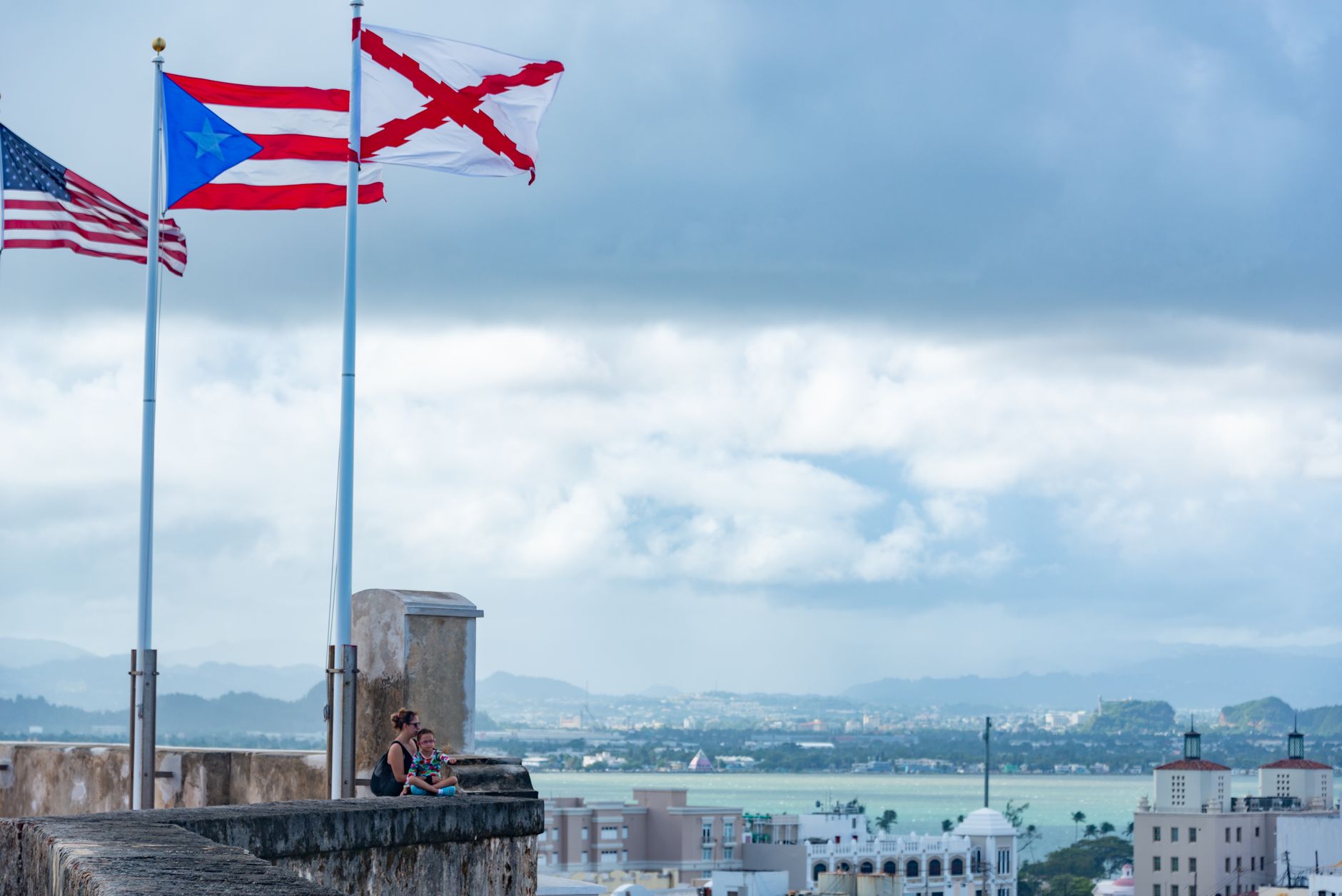
December through April marks peak travel season. Visitors flock to Puerto Rico during these months for several reasons. Dry weather means sunshine dominates most days. Temperatures stay comfortable without excessive heat or humidity.
December kicks off the season as winter travelers escape cold climates. Hotels book quickly during Christmas and New Year weeks. January remains busy as families enjoy winter breaks. February sees consistent crowds throughout the month. March brings spring breakers and families. April closes peak season as schools end and summer approaches.
Hotels charge premium rates during these months. Popular beaches overflow with visitors daily. food-Restaurants operate at full capacity. Tour operators book quickly. Flight prices increase significantly during peak weeks.
Travel during peak season guarantees excellent weather. Plan accommodations and activities months ahead. Book flights early for better rates. Expect crowded attractions and beaches. Longer wait times occur at restaurants. Beaches like Flamenco Beach in Culebra attract thousands daily.
The trade-off? Peak season means higher costs and larger crowds everywhere. If you prefer solitude and lower prices, consider shoulder season instead.
PRO TIP: Book accommodations and flights for peak season December through February at least three months in advance. Popular hotels sell out completely during Christmas week and New Year's week.
Shoulder Season: Best Value
May and November offer excellent value and decent weather. Shoulder season bridges peak season and rainy season perfectly. Fewer tourists mean lower hotel rates and restaurant availability.
May sits just after peak season ends. Weather remains mostly dry with occasional showers. Temperatures climb to approximately 28°C (82°F). Hotels drop prices by 20 to 30 percent. Beaches feel less crowded than peak months. Rain typically falls in brief afternoon bursts. You'll experience warm weather without peak season chaos.
November follows hurricane season's peak months. Weather stabilizes significantly in November. Rain decreases substantially compared to September and October. Temperatures hover around 26°C (79°F). Hotels offer reduced rates. Flights cost less than peak season. Thanksgiving week sees increased traffic but less than December holidays.
Pack an umbrella or light rain jacket for both months. Afternoon showers are common but brief. Morning and evening typically stay dry. The warm season means swimming remains excellent despite occasional rain.
Shoulder season travelers enjoy authentic experiences. Locals frequent restaurants alongside visitors. Museums and attractions feel less rushed. Tour guides provide more personal attention. You'll interact more genuinely with Puerto Rico.
Rainy Season in Puerto Rico
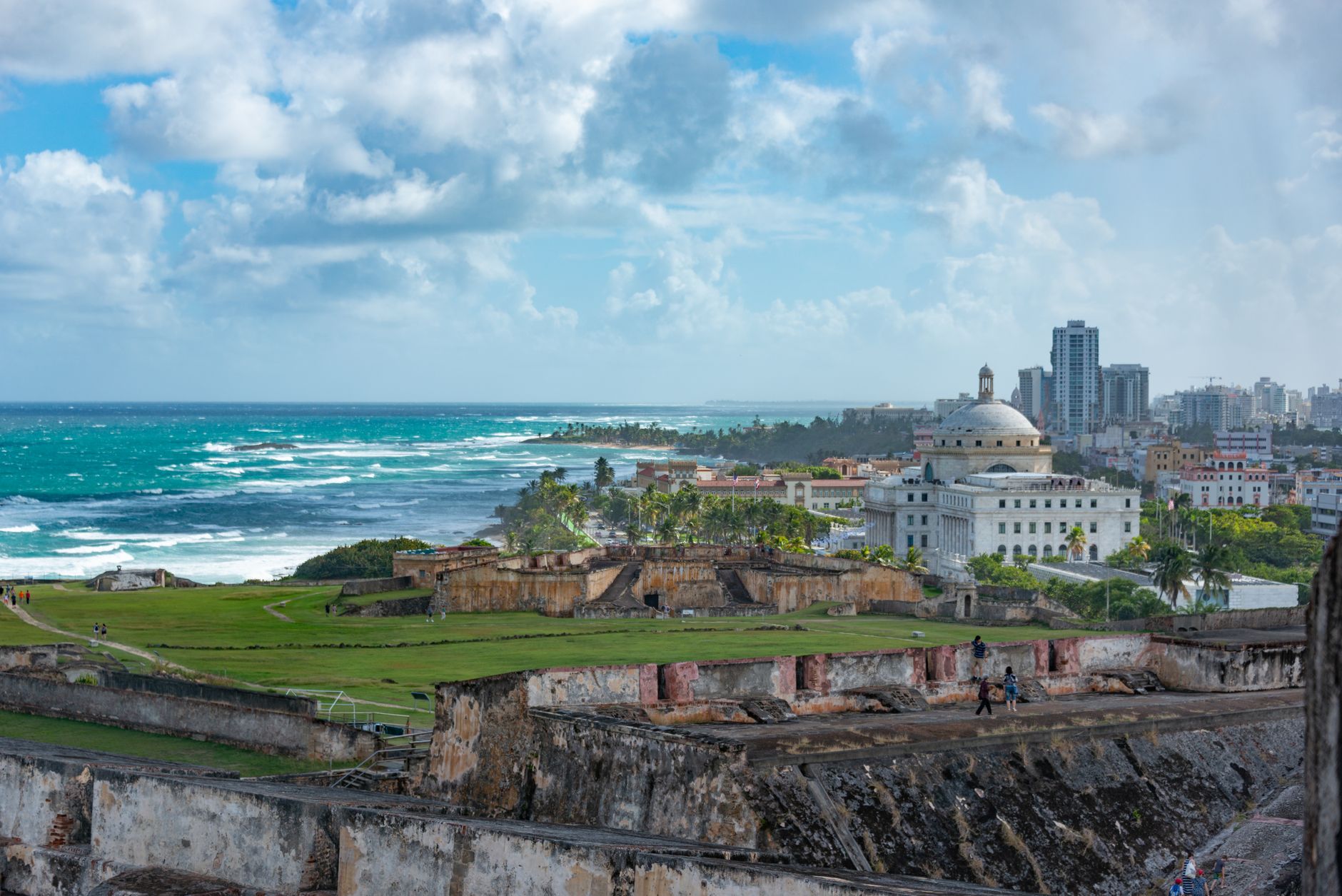
June through October constitutes rainy season. This period includes official Atlantic hurricane season. Rain falls regularly, sometimes heavily. Humidity increases noticeably compared to other months. Temperatures reach their annual peak around 29°C (84°F).
June and July bring increasing rainfall and heat. Showers typically occur in afternoon bursts. Mornings often remain dry and sunny. Rain rarely lasts all day. Humidity makes conditions feel warmer than actual temperatures. Tropical storms occasionally develop but major hurricanes remain rare.
August through October represents peak hurricane danger statistically. September experiences the highest hurricane activity. The atmosphere becomes increasingly unstable. Rain increases substantially. Wind patterns shift frequently. Weather forecasts become crucial during these months.
November marks season's gradual improvement. Rain decreases significantly. Hurricane risk drops substantially. Stability returns to weather patterns.
Traveling during rainy season offers advantages despite risks. Hotel rates drop dramatically. Airlines offer cheaper flights. Beaches and attractions feel empty. Prices at restaurants and shops decrease. Rain doesn't prevent outdoor activities always. Morning hours often provide clear skies.
Disadvantages include weather unpredictability. Flights may get cancelled. Rain can spoil beach plans. Hurricane risk requires careful monitoring. Internet may become unreliable during storms.
PRO TIP: If traveling June through October, purchase travel insurance covering hurricane-related cancellations. Monitor the National Hurricane Center daily. Book flexible hotel reservations allowing free cancellation.
Best Time To Visit Puerto Rico for Families
December through March provides ideal family conditions. School winter breaks align perfectly with peak season. Children enjoy warm weather for beach days. Rain remains minimal during these months. Temperatures stay comfortable for outdoor activities all day.
December offers holiday excitement. Christmas festivities decorate towns throughout the island. Family resorts run special programs. Temperature around 24°C (75°F) feels comfortable. Beaches stay warm enough for swimming. Christmas crowds mean longer waits at attractions.
January provides less crowded conditions than December. Post-holiday periods mean some reduction in crowds. Weather remains perfect for families. School vacation continues for many children. Beaches feel somewhat less packed than Christmas week.
February and March offer excellent family conditions. Spring break periods see families traveling. Schools take breaks during these months. Weather stays dry and warm. Temperatures around 26°C (79°F) suit active children. Beach conditions remain safe for swimming.
Pack sunscreen in SPF 50 or higher. Children need hat and UV-protective clothing. Bring plenty of water bottles. Plan beach visits for morning hours. Take breaks during peak sun hours (11am to 3pm). Arrange shade structures at beaches.
Family-friendly activities include El Yunque National Rainforest for easy hikes. Old San Juan offers colorful streets and kid-friendly museums. Beaches like Flamenco Beach in Culebra suit families perfectly. Bioluminescent bay tours in Vieques fascinate children. Snorkeling trips from Puerto Rico's main island provide memorable experiences.
Avoid rainy season when traveling with young children. Unpredictable weather makes planning difficult. Humidity increases discomfort for some kids. Rain limits beach time and outdoor activities.
Best Time To Visit Puerto Rico for Diving

December through April offers optimal diving conditions. Clear water visibility reaches 30 meters or more. Calm seas make boat access to dive sites easier. Temperature around 24°C to 27°C (75°F to 81°F) remains comfortable for extended diving. Fewer storms mean consistent dive schedules.
Puerto Rico features exceptional dive sites year-round. The island offers coral reefs, wall dives, and wreck dives. Blue tang and parrotfish populate local waters. Tropical reef fish create spectacular underwater scenery. Sea turtles appear occasionally near certain reefs.
January through March provides peak diving season. Water clarity reaches maximum levels. Weather stability ensures consistent dive schedules. Dive operators run full schedules. Visibility often exceeds 25 meters at popular sites. Water temperature stays around 26°C (79°F) comfortably.
May through November still offers viable diving. Summer months bring slightly reduced visibility. Rain runoff occasionally affects coastal clarity. Afternoon storms may cancel scheduled dives. Water temperature increases to approximately 29°C (84°F). Fewer divers mean smaller group sizes often. Advanced divers appreciate the challenge.
Popular dive sites include Desecheo Island off western coast. Rincon offers excellent wall dives. Puerto Mosquito in Vieques features bioluminescent waters. La Parguera provides easy shallow reef dives. Mona Island attracts experienced divers seeking adventure.
Book dive trips with established operators. Most offer certification courses. Bring personal dive computers if you own them. Rental equipment is available at all shops. Multiple dive sites exist near Luis Munoz Marin International Airport in San Juan.
Peak season demands booking dives in advance. Summer months offer more flexible scheduling. Hurricane season occasionally disrupts operations. Always check current weather forecasts before traveling.
PRO TIP: Contact dive operators directly before traveling rainy season months. Confirm they're operating full schedules. Purchase travel insurance covering weather-related cancellations. Bring a dive certification card if you're already certified.
Frequently Asked Questions
When Is Hurricane Season in Puerto Rico?
Hurricane season runs from June through November officially. Peak activity occurs September through October statistically. However, hurricanes rarely impact Puerto Rico directly. The island sits south of the typical hurricane path. Most storms pass north of Puerto Rico. Weather can still be rainy and unstable during these months. Travelers should monitor the National Hurricane Center daily. Travel insurance covering hurricane cancellations provides peace of mind. Many travelers visit safely during this period despite official season dates.
What Is the Cheapest Time To Visit Puerto Rico?
Rainy season from June through October offers lowest prices. Hotel rates drop 40 to 50 percent compared to peak season. Flight prices decrease significantly during summer months. Restaurant prices remain stable year-round. Attractions charge same fees regardless of season. Shoulder season months May and November provide good value too. June and July offer slightly better rates than August through October. Weather remains mostly manageable during June and July despite rainfall. October sees deeper discounts but higher hurricane risk officially. Travel insurance is essential when booking cheaper rainy season dates.
Is It Ever Too Hot To Visit Puerto Rico?
Temperatures remain comfortable year-round averaging 27.5°C (81.5°F). August and September peak around 29°C (84°F) maximum. Humidity increases rather than temperature in summer months. Humidity makes conditions feel hotter than actual temperatures. Morning and evening hours always feel comfortable and cool. Beach breezes provide natural cooling relief. Shade structures and water activities keep visitors comfortable. Locals and tourists thrive during hot months regularly. Hydration and sunscreen protect against discomfort. Peak season months actually feel more comfortable than summer months.
Can I Visit Puerto Rico During Hurricane Season Safely?
Yes, millions visit Puerto Rico during hurricane season safely annually. Actual hurricane impacts on Puerto Rico remain rare historically. The island sits outside primary hurricane tracks typically. Weather becomes rainy and unstable rather than dangerous. Direct hurricane hits occur infrequently, perhaps years apart. Travel insurance covering weather cancellations provides protection. Flexible accommodations allow rebooking if storms approach. Most travelers experience rainy weather but not hurricanes. Monitor forecasts daily during June through October. Contact your hotel about their hurricane protocols before traveling.
What Should I Pack for Different Seasons in Puerto Rico?
Year-round packing includes light, breathable clothing for warm weather. Bring SPF 50 sunscreen and UV-protective clothing always. Pack swimsuits and water shoes for beach activities. A lightweight rain jacket works for all seasons. Umbrella helps during rainy season months. Comfortable walking shoes suit cobblestone Old San Juan streets. Formal dining requires resort casual clothing at nicer restaurants. Hiking boots help for El Yunque National Rainforest trails. Reef-safe sunscreen protects marine life around you. Hat and sunglasses provide essential sun protection year-round. Moisture-wicking fabrics keep you dry in humidity.